
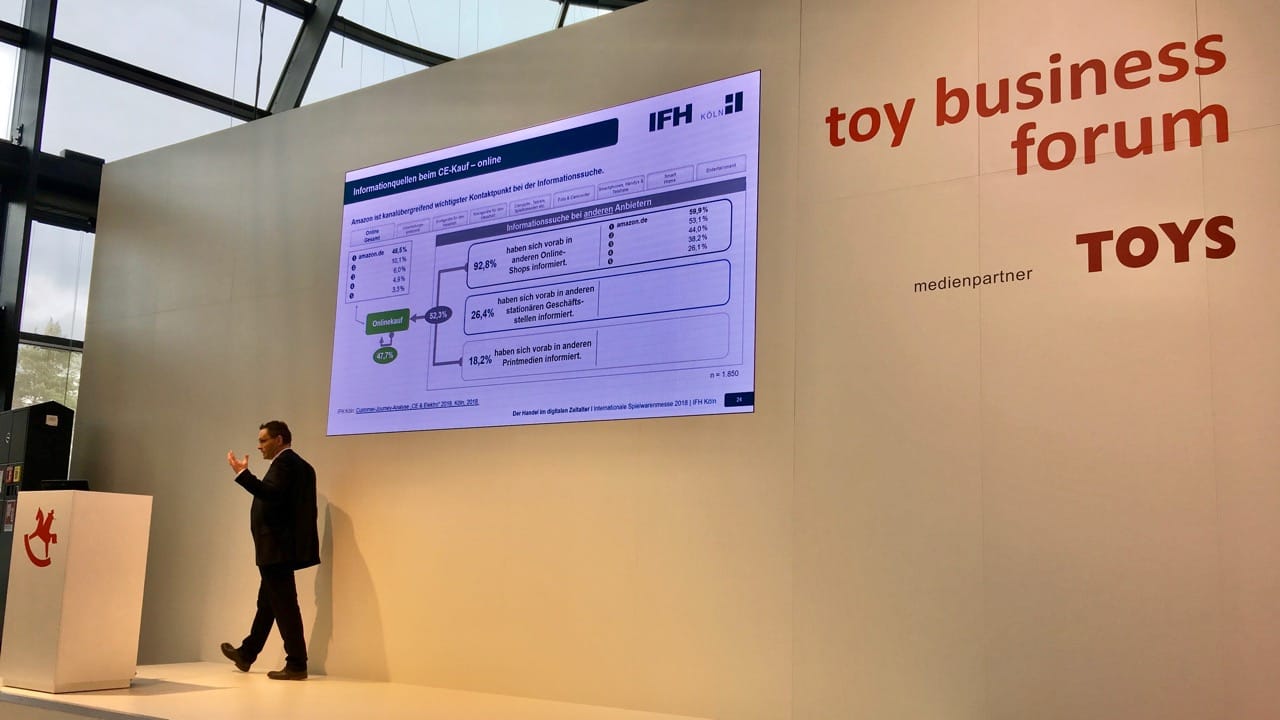
We attended the EU Toy Safety Regulation seminar at Spielwarenmesse in Nuremberg this January. If you’ve followed our history with toy safety regulation — particularly the long saga of the US CPSIA — some of this will feel familiar.
What’s Changing
The new EU Toy Safety Regulation is already in effect, with full compliance required by August 2030. The key changes: a Digital Product Passport required for all toys, new chemical restrictions, updated acoustics standards, revised labeling requirements, and newly defined compliance roles for fulfillment centers and online marketplaces.
Most of this is navigable. The Digital Product Passport is another matter.
The Same Old Problem
The CPSIA taught us that well-intentioned safety regulation can create serious unintended consequences for small manufacturers of inherently safe products. The EU’s Digital Product Passport requirement is shaping up the same way for Ankerstein.
The logic is simple: Ankerstein sets are made from natural materials that have been safe for over 140 years. The safety is in the ingredients and the tests before production. If each component is certified safe, the assembled product is safe. But the regulation as written contains no component rule. No provision that safe ingredients equal a safe product. Every set, every SKU needs its own passport, adding enormous compliance cost with no meaningful safety benefit.
The 2030 deadline provides some leeway, but clarity sooner is better for everyone. We’ve been here before, and we’ll keep watching this one closely